
Active
1901 GRAHAM RD
$249,000
Features:
Property Details
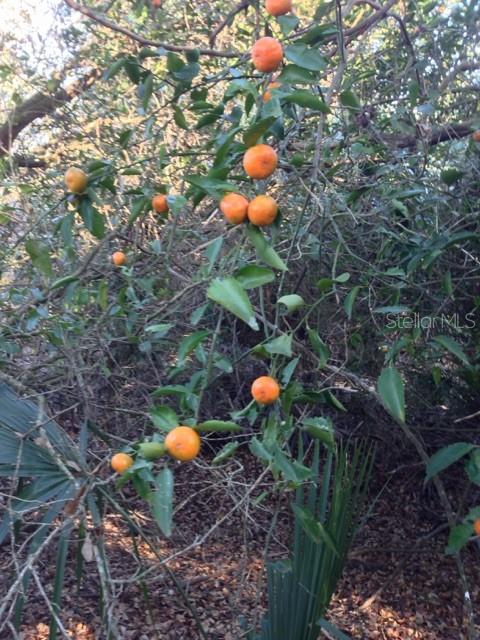
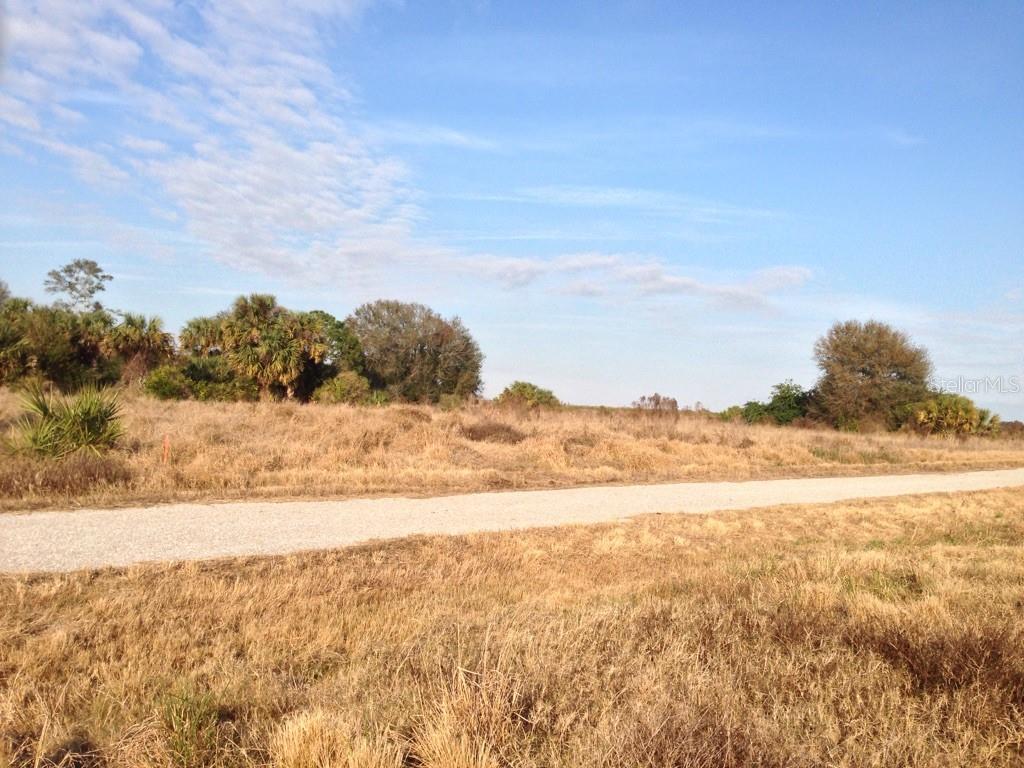
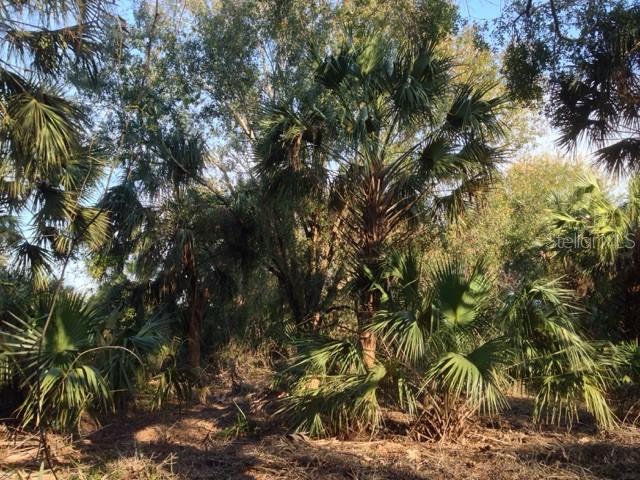
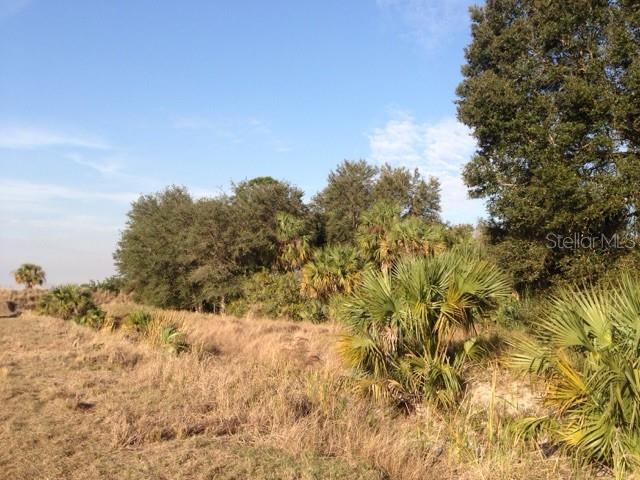
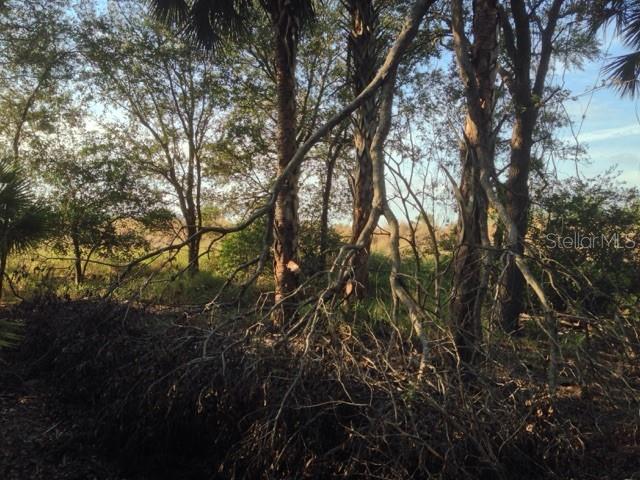
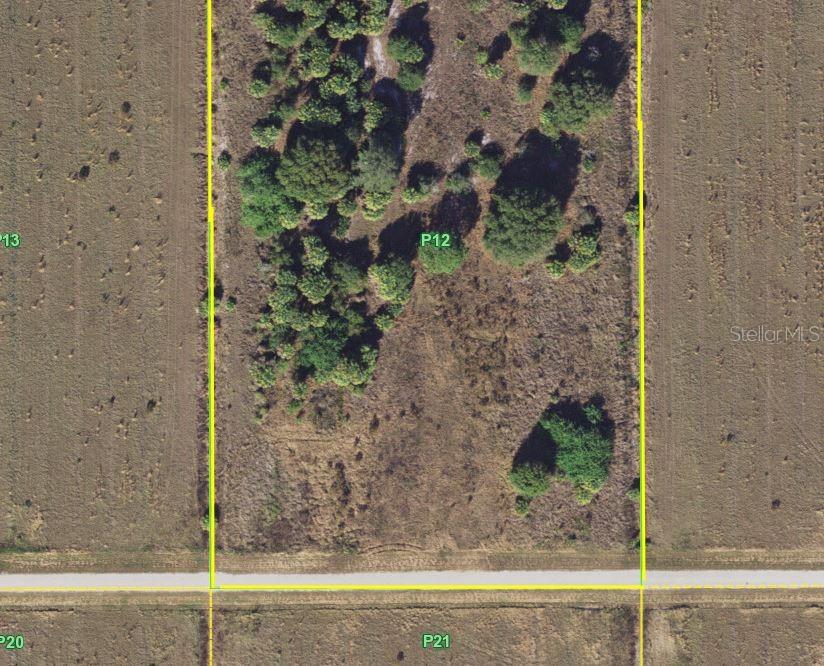
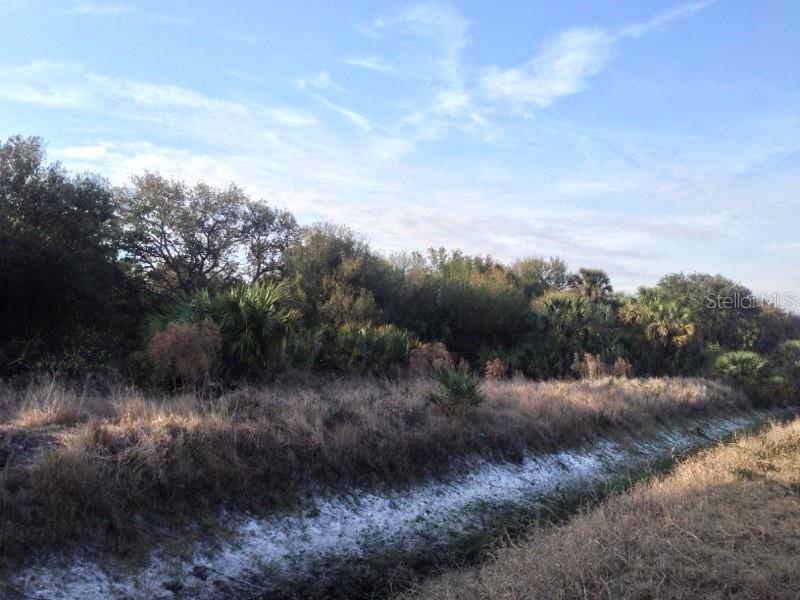
Remarks
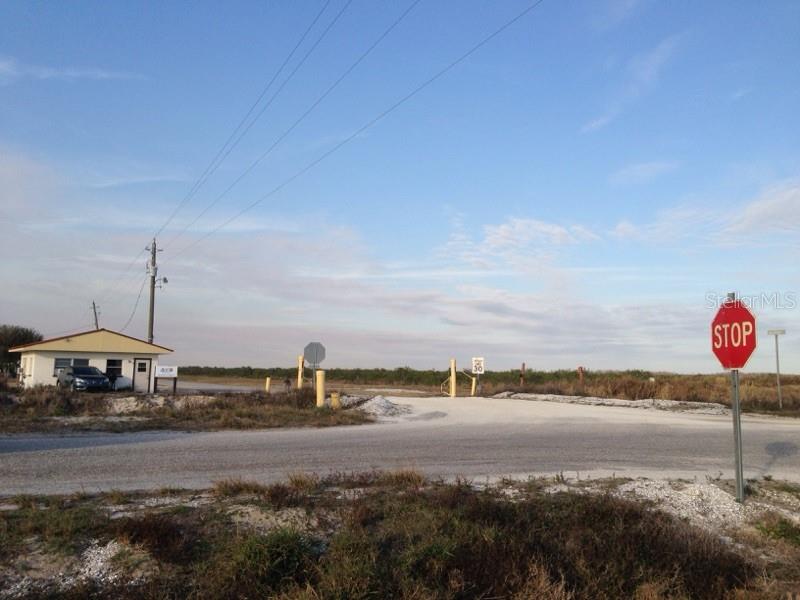
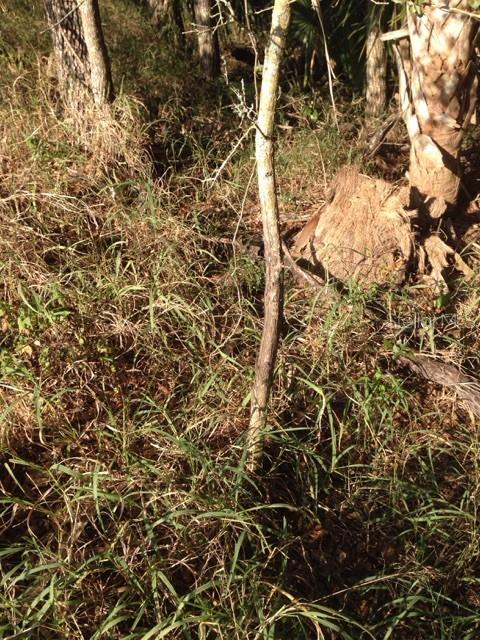
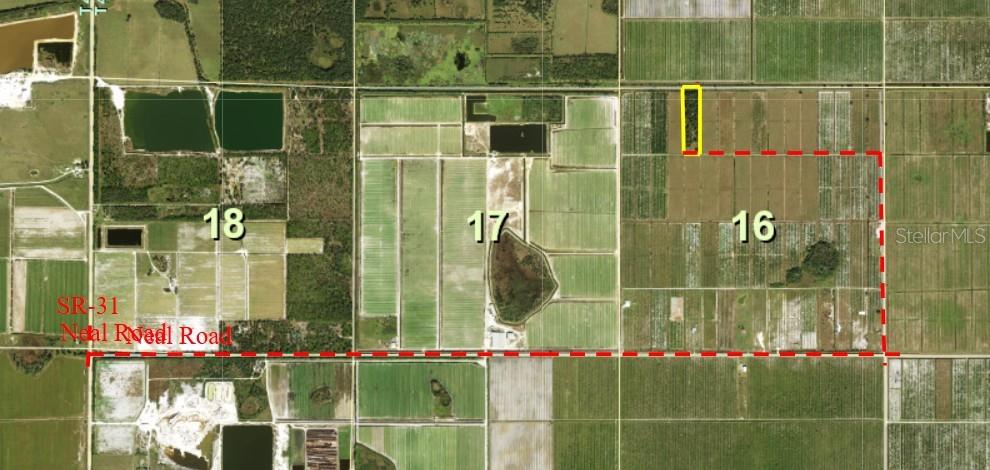
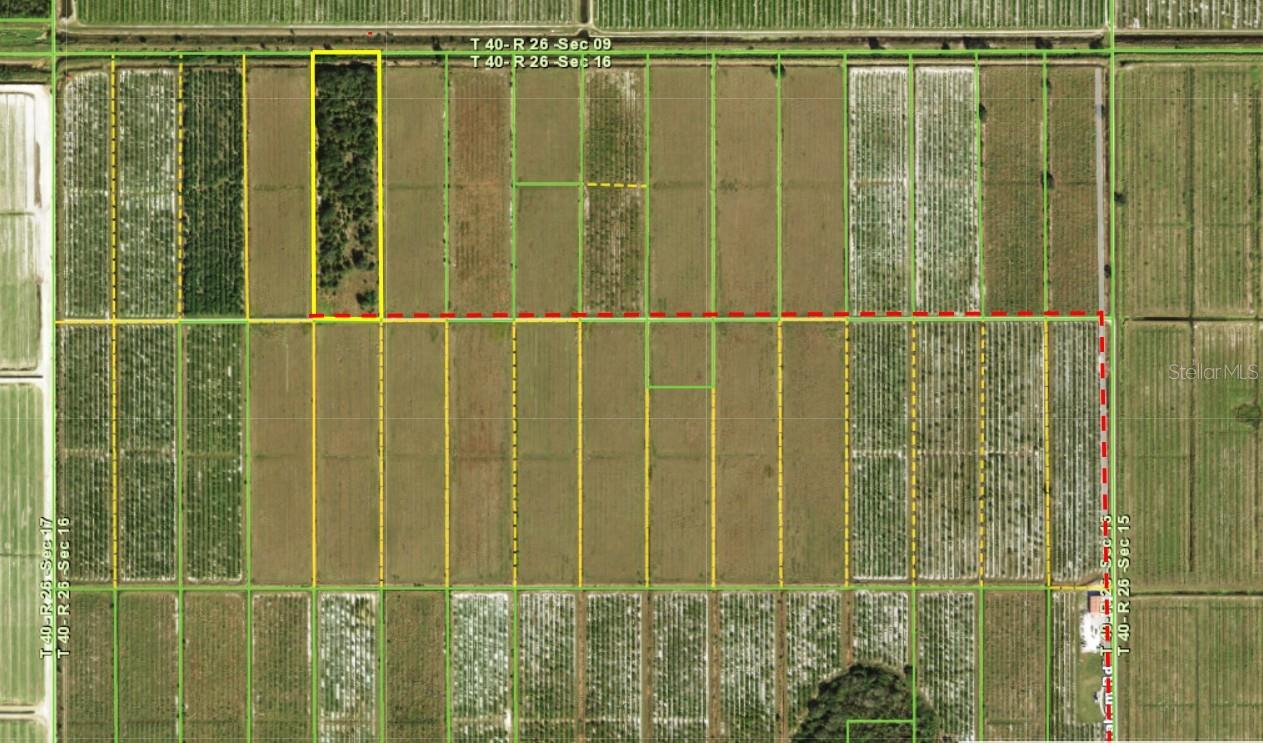
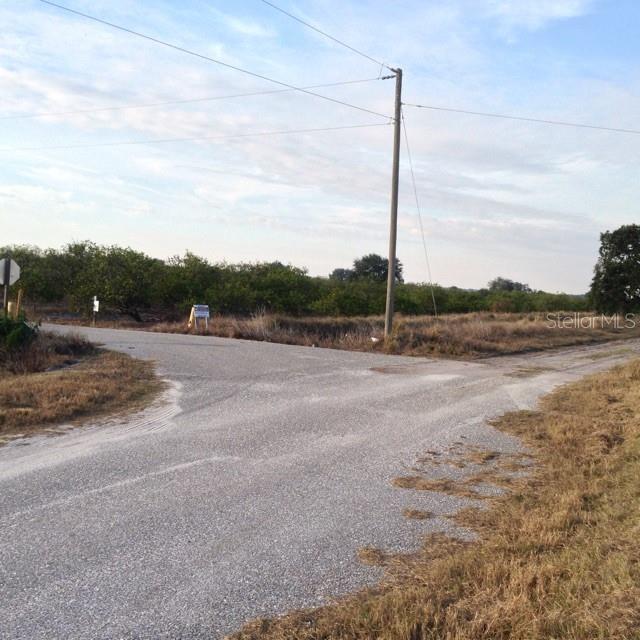
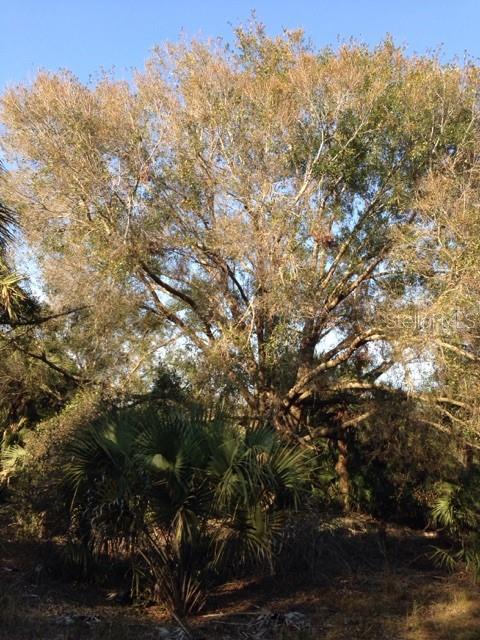
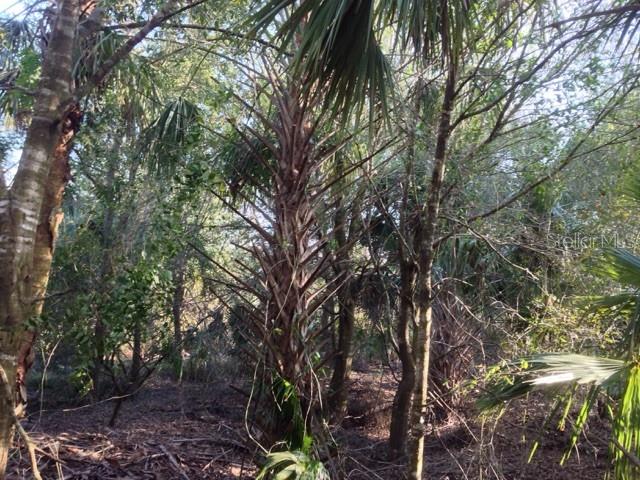
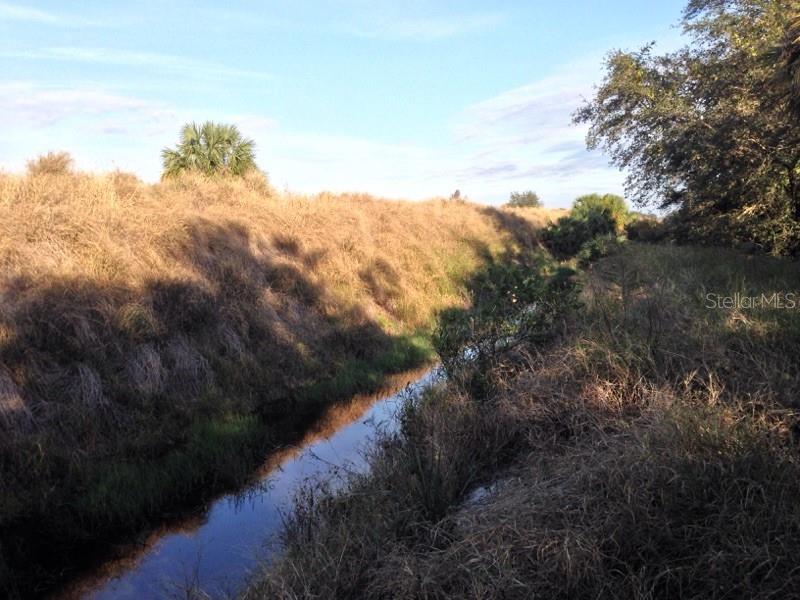
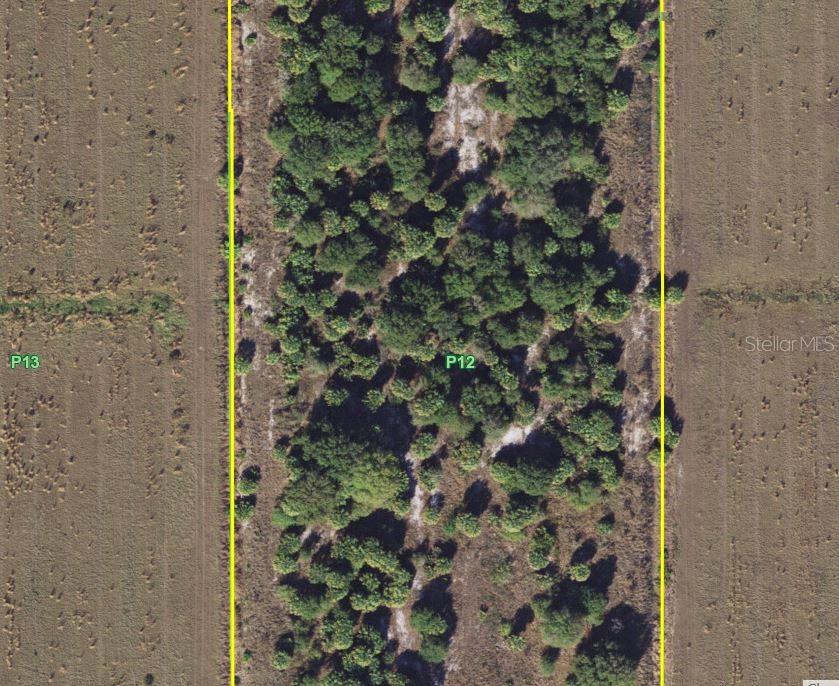
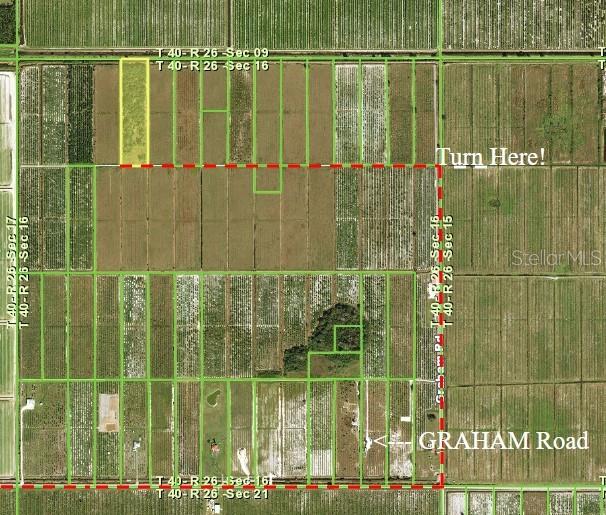
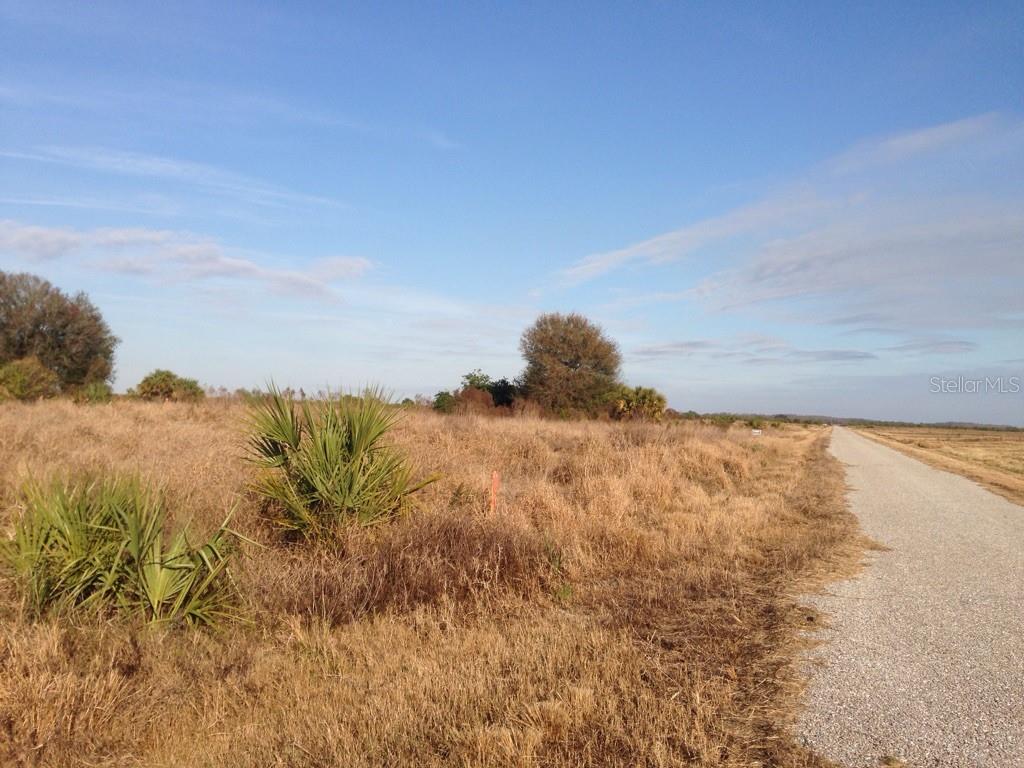
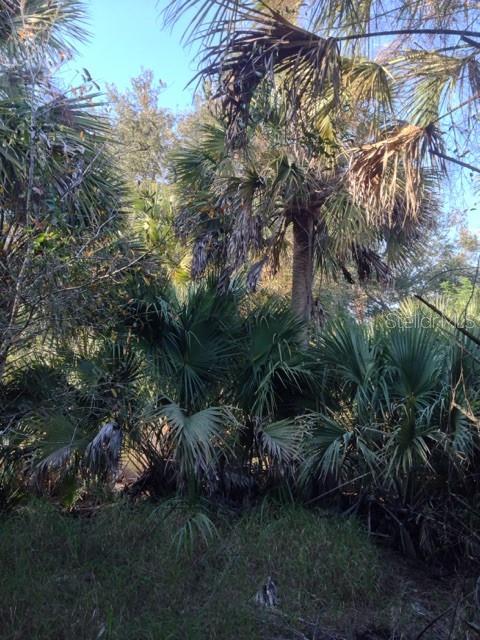
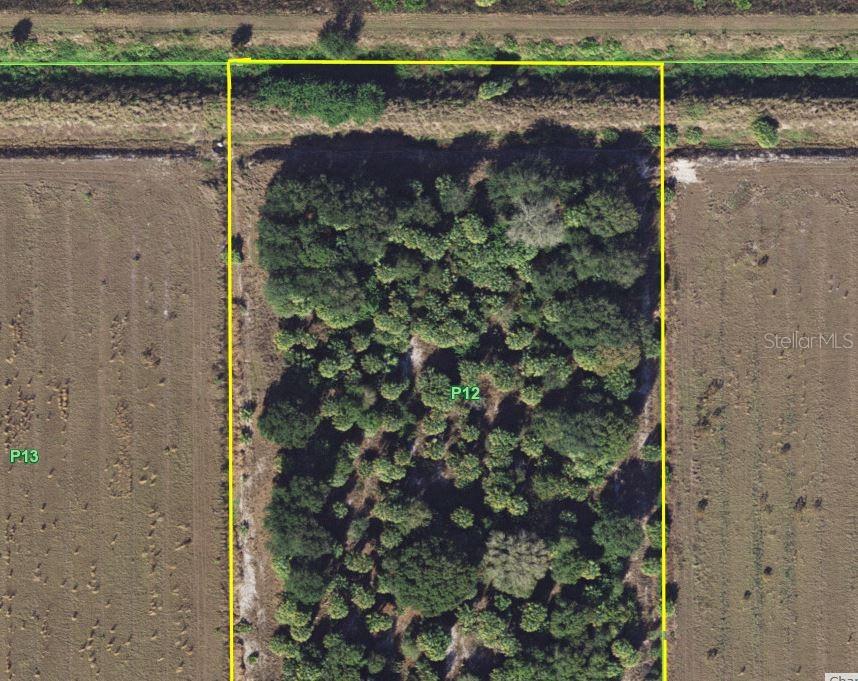
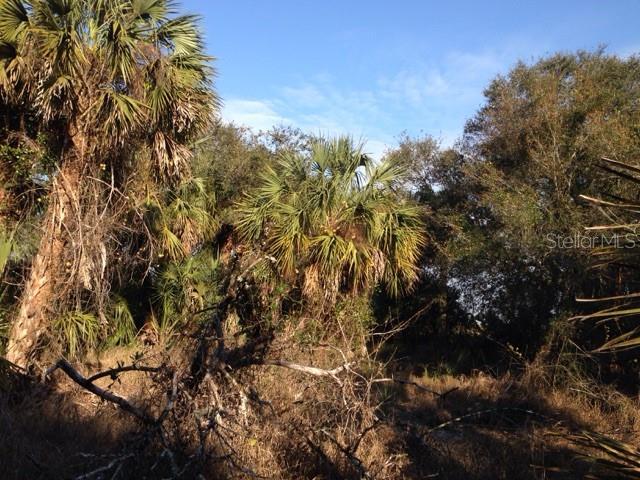
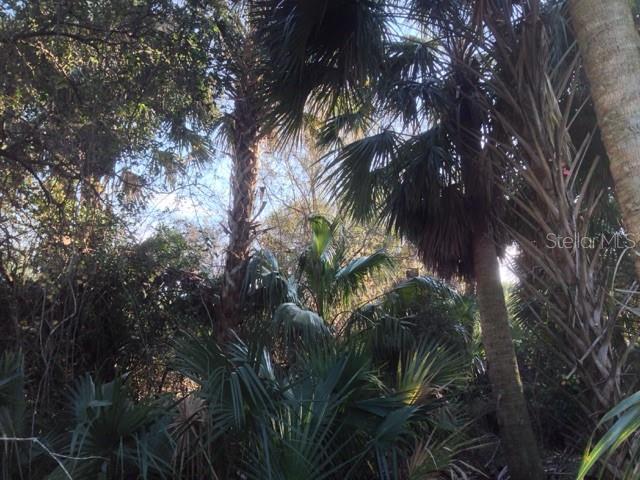
The rural landscapes of Southwest Florida possess a distinct character defined by history, resilience, and natural beauty. Nestled within eastern Charlotte County lies "High Prairie Oaks," a ten-acre parcel exemplifying the timeless appeal of the Florida prairie. Once a thriving orange grove, the land has reverted to its native state, transforming into a pristine pine flatwoods ecosystem dominated by sprawling oaks and majestic cabbage palms. Amid this wilderness, a few hardy citrus rootstocks—likely Cleo-Mandarin, orange, or lemon stock—have evolved into small trees, standing as living monuments to the land's agricultural past. This intersection of human history and ecological reclamation offers a profound sensory connection to the natural world. [1] The regional lineage lends storied depth to the property. These expansive eastern prairies were once traversed by Spanish Conquistadors, inhabited by the Calusa Indians of Ponce de León fame, and later romanticized by Western artist Frederic Remington. In local folklore, they are remembered as the stomping grounds of legendary cattleman Bones Mizell. More recently, the parcel belonged to a 3,640-acre agricultural development engineered decades ago by the Freeman Brothers of Miami, later sold to American Agronomics and managed for international investors. While commercial production has ceased, the legacy of this enterprise remains visible in the infrastructure. Channels border three sides of the land, providing seasonal irrigation and drainage managed by the East Charlotte Drainage District. The main northern channel directs water westward via Myrtle Slough to Shell Creek, the Peace River, and onward to Charlotte Harbor. Beyond its historical and hydrological significance, High Prairie Oaks serves as a sanctuary from modern urban life. Free from city light and noise pollution, the property is characterized by expansive quietude, underscored by the vast distance to neighbors. The landscape presents a dramatic visual display where vivid sunrises and sweeping sunsets yield to unobstructed views of millions of stars. This pristine canvas rivals the natural vistas that once inspired the great artists of the American frontier, offering an invaluable retreat for those seeking absolute privacy. From a regulatory perspective, the parcel is safeguarded by Charlotte County’s Agricultural (AG) zoning. This classification preserves rural integrity by protecting agricultural operations and restricting residential development to a low density of one single-family home per parcel. It accommodates consistent uses like conservation, recreation, and light agriculture, ensuring the surrounding peace remains uncompromised by suburban sprawl. Building a homestead requires a private well and septic system, with electrical infrastructure positioned roughly 1,000 feet to the east. For individuals who desire a quiet, rural lifestyle, High Prairie Oaks stands as an exceptional opportunity to build a personal legacy on the historic Florida prairie.
Financial Considerations
Price:
$249,000
HOA Fee:
672
Tax Amount:
$1783.77
Price per SqFt:
$0.57
Tax Legal Description:
ZZZ 164026; P12ABCD; P-12ABCD; 10A M/L; W1/4 OF NE1/4 OF NW1/4; 250/28 370/797 370/820 370/846 370/855 551/1324 921/71 2566/1010 2677/2120 2926/1316 TD3841/295 4021/2132 4694/759
Exterior Features
Lot Size:
435600
Lot Features:
Drainage Canal, In County, Rural, Paved, Private, Wooded, Zoned for Horses
Waterfront:
No
Parking Spaces:
N/A
Parking:
N/A
Roof:
N/A
Pool:
No
Pool Features:
N/A
Interior Features
Bedrooms:
Bathrooms:
0
Heating:
N/A
Cooling:
N/A
Appliances:
N/A
Furnished:
No
Floor:
N/A
Levels:
N/A
Additional Features
Property Sub Type:
N/A
Style:
N/A
Year Built:
N/A
Construction Type:
N/A
Garage Spaces:
No
Covered Spaces:
N/A
Direction Faces:
South
Pets Allowed:
Yes
Special Condition:
None
Additional Features:
N/A
Additional Features 2:
N/A
Map
- Address1901 GRAHAM RD
Contact a Professional

Featured Properties
Related Properties
- Featured
- Active
10710 OSPREY LANDING LOT 48 WAY
$ 950,000
- Featured
- Active
4949L 26TH AVE N
$ 649,000
- Featured
- Active
6241 SEMINOLE BLVD
$ 2,575,000
- Featured
- Active
68TH AVE E
$ 415,000
- Featured
- Active
00 W HWY 326
$ 2,000,000
- Featured
- Active
31 DEERWOOD ST
$ 225,000
- Featured
- Active
6320 N ORANGE BLOSSOM TRL
$ 749,900
- Featured
- Active
7510 WESTMORELAND DR
$ 299,900
- Featured
- Active
29TH ST S
$ 200,000
- Featured
- Active
1705 6TH ST
$ 1,300,000
- Featured
- Active
9509 AQUA LN
$ 1,600,000
- Featured
- Active
00 S US HWY 441